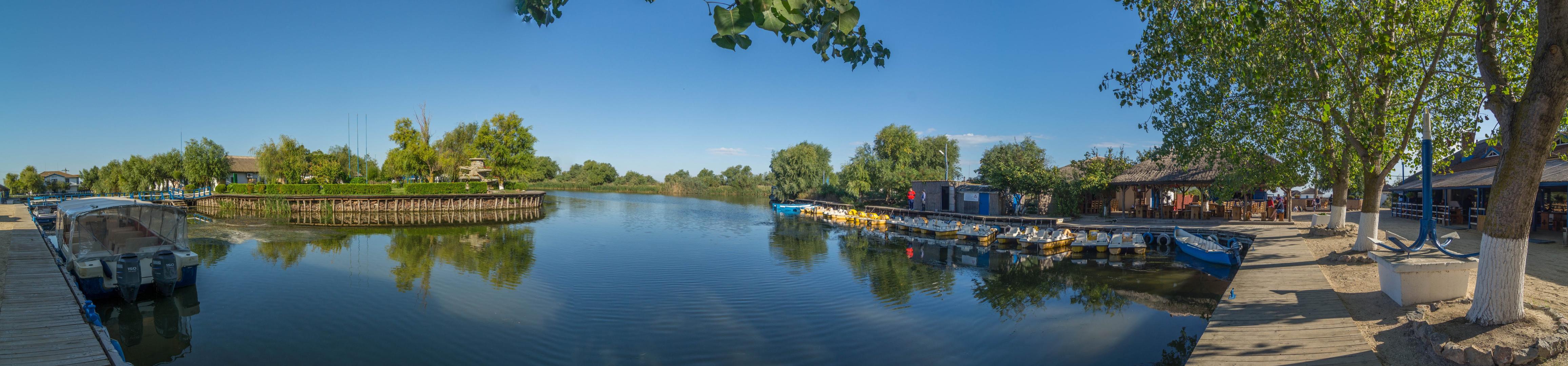
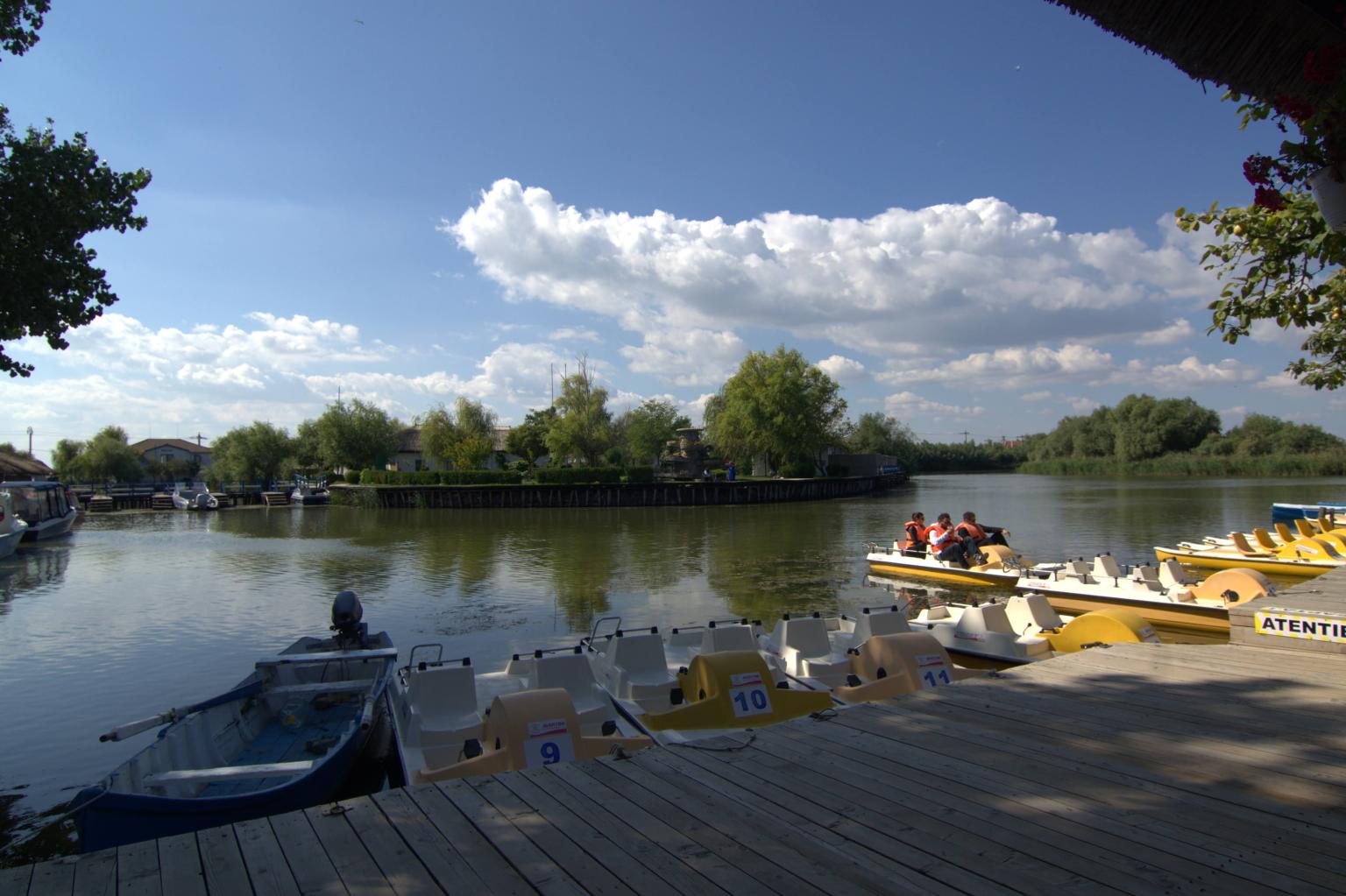
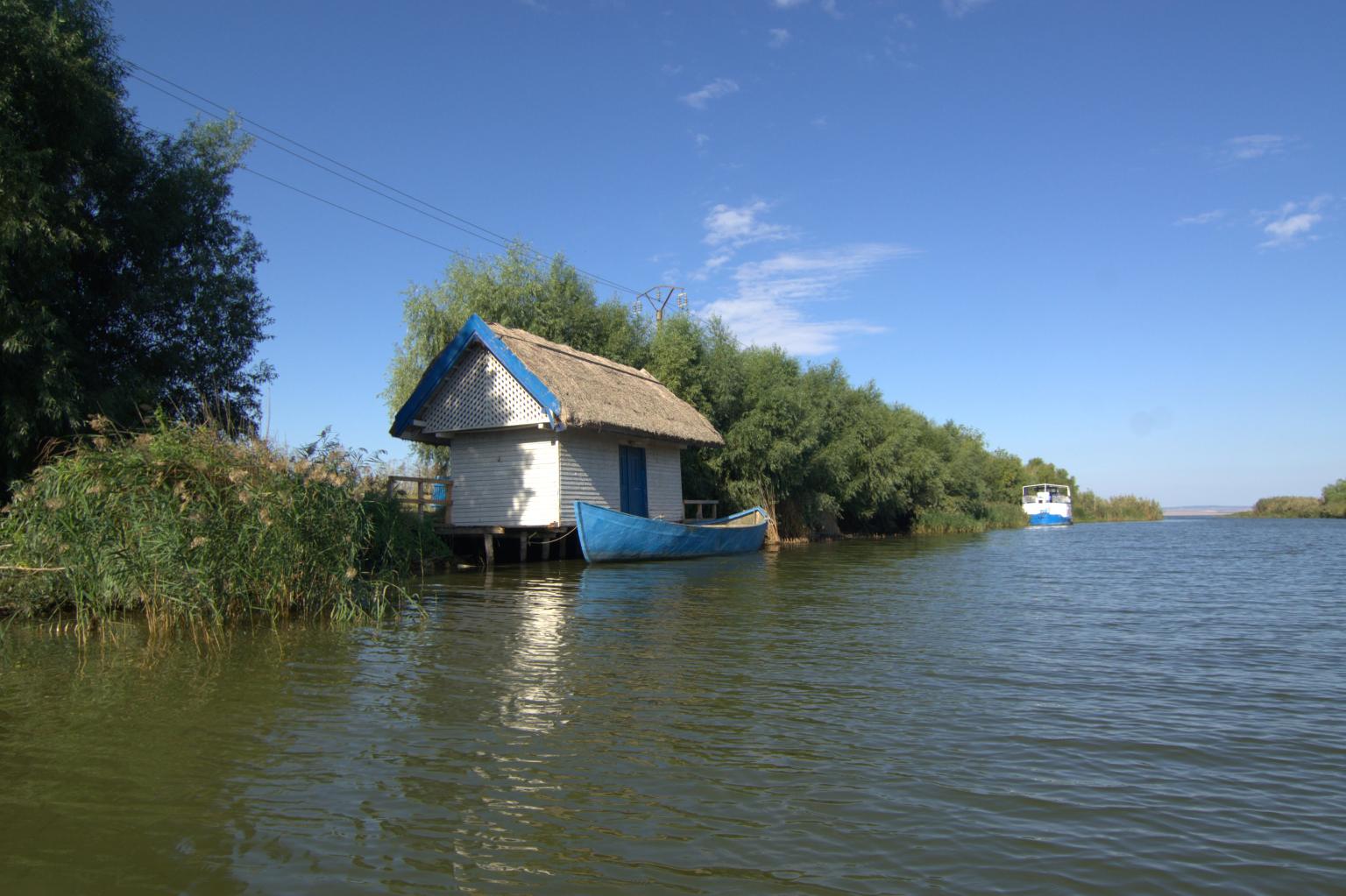
Near the town of Jurilovca is the island of Bisericuta, on which vestiges of habitation from the prehistoric period were discovered. Polished stone axes from the Neolithic, fragments of Greek and pre-Roman amphorae, as well as traces of settlements from the Geto-Dacian era were found here. In ancient times, a waterway used intensively by sailors passed through this territory, but later, with the formation of sandbars, it became only a narrow crossing point between the sea and the lake, called "Portița". In the center of the island are the ruins of a fortress and a Byzantine basilica, where a bronze reliquary decorated in relief, dating from the 11th century, was discovered. These discoveries contributed to the name of the island - Bisericuta.
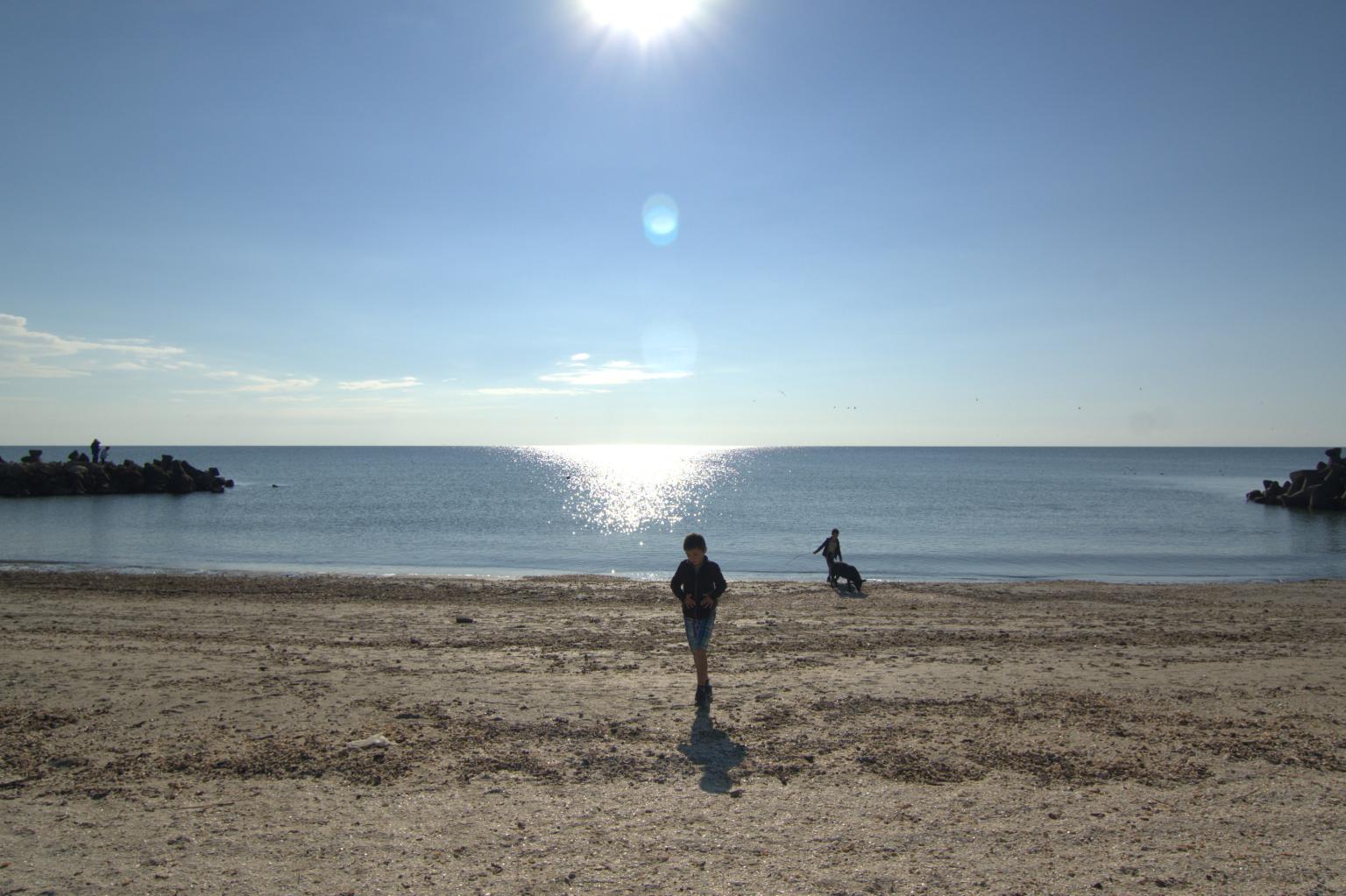
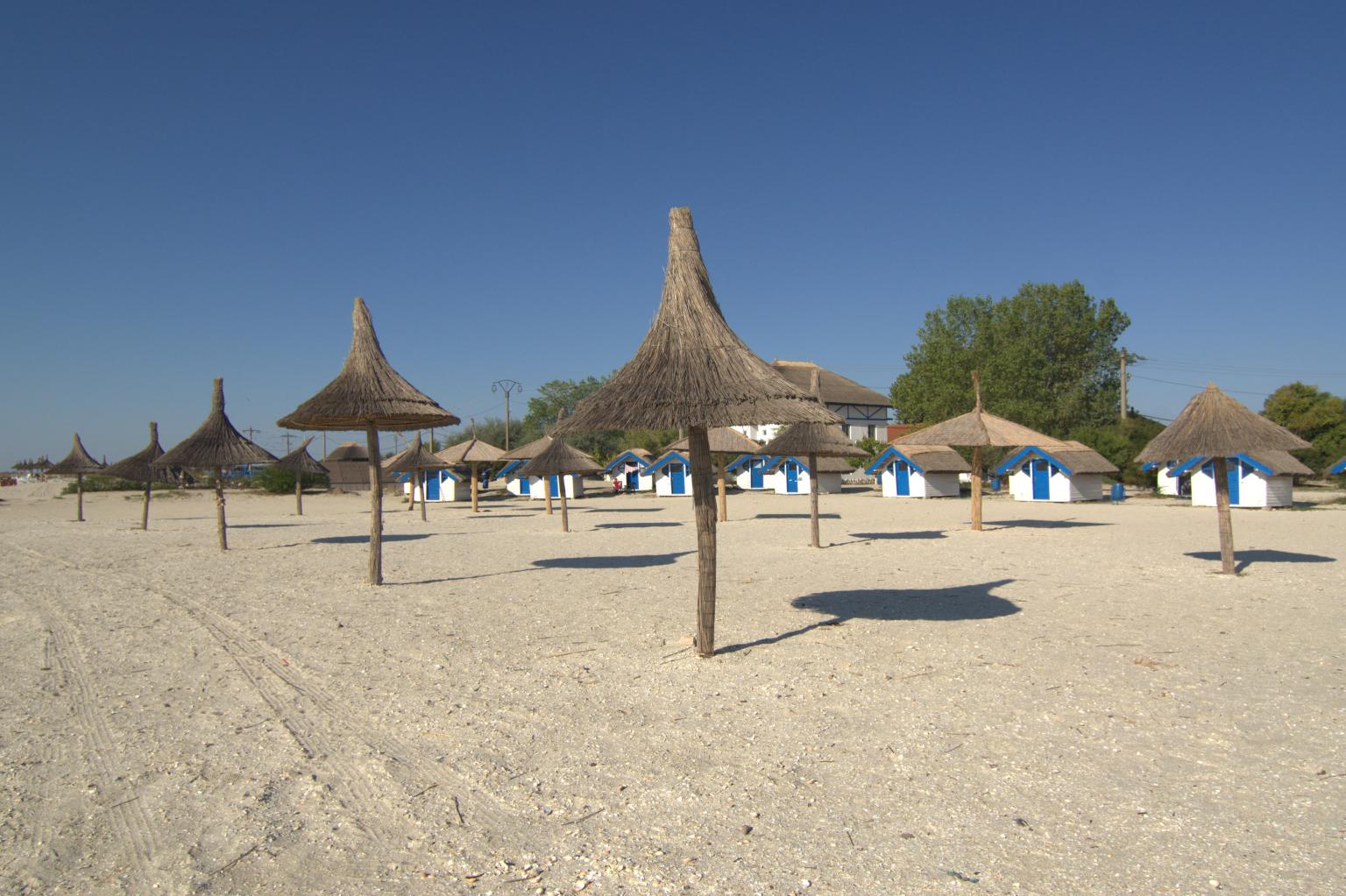
Portița, where Lake Razelm meets the sea, is a picturesque and original spot with a rich fishing history. Its Romanian name appears on European maps since 1710. Here is also the tourist stop, a wide beach with fine and clean sand, offering excellent opportunities for swimming.
Through Portița, from the sea, the mullet enters for breeding and feeding, this being a particularly valuable fish for consumption. Mullet are found all over the world, from the North Sea to the Canary Islands and southern Africa. In summer, it approaches the Romanian coast, entering the Razelm complex, and in autumn, before leaving, it is caught in significant quantities in the "mullet fences".
Source: The Romanian Black Sea Coast (Ministry of Tourism, 1976)